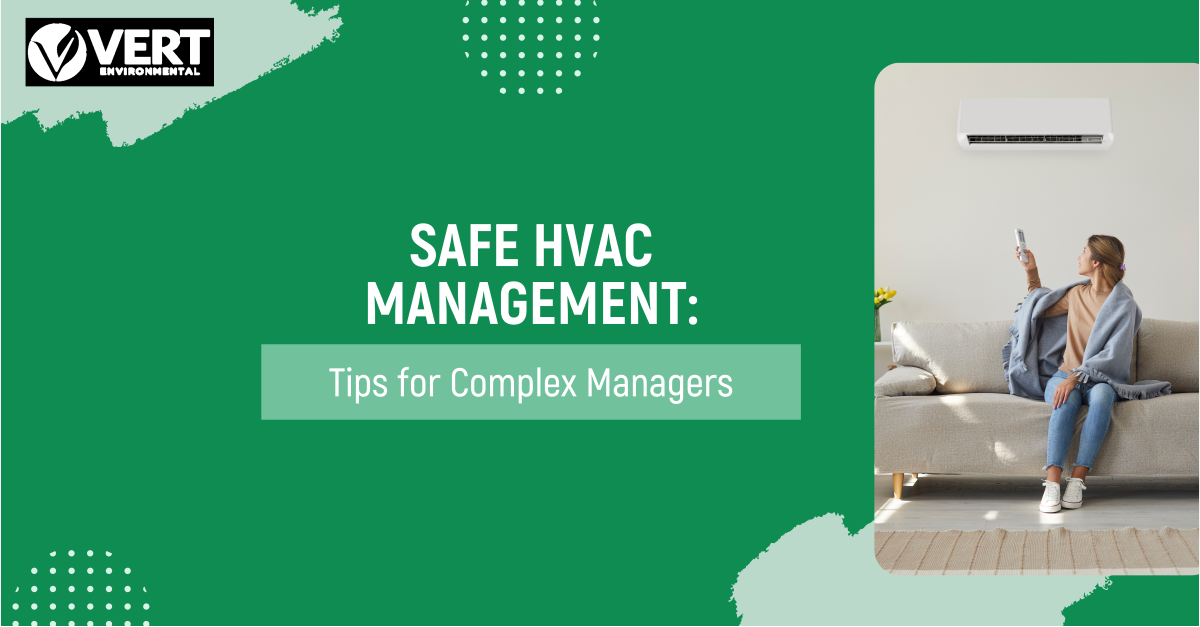
Safe HVAC Management: Tips for Complex Managers
If you’re a complex manager, you know that ensuring the safety and well-being of your residents or tenants is a top priority. One aspect of this responsibility that often goes overlooked is the management of HVAC (Heating, Ventilation, and Air Conditioning) systems. These systems play a crucial role in maintaining indoor comfort and air quality, but they can also pose risks if not properly managed. In this blog post, we’ll provide you with a comprehensive guide on safe HVAC management, offering valuable tips to help you protect your property and the people within it.
Understanding HVAC Systems
Before diving into the tips, let’s start with a quick rundown of what HVAC systems are and why they matter in complex management.
HVAC Basics
HVAC systems are responsible for maintaining comfortable indoor temperatures and ensuring proper ventilation. They consist of various components like heating units, air conditioning, ductwork, and filters. Properly functioning HVAC systems not only keep residents comfortable but also contribute to indoor air quality.
Potential Risks
Inadequate HVAC management can lead to several issues, including:
- Poor indoor air quality
- Increased energy costs
- Frequent breakdowns and repairs
- Legal and compliance issues
Regular Inspections
The Importance of Regular Inspections
Regular inspections are the foundation of safe HVAC management. They allow you to identify issues early, preventing them from escalating into costly problems. Here are some key points to consider:
- Schedule HVAC inspections at least twice a year, ideally before the start of the heating and cooling seasons.
- Hire qualified HVAC technicians to conduct thorough inspections.
- During inspections, check for leaks, damaged components, and signs of wear and tear.
- Ensure that all safety features and emergency shutdown systems are working correctly.
Maintenance Schedules
Establishing Maintenance Schedules
Maintenance schedules are essential for keeping HVAC systems in top shape. Here’s how to go about it:
- Create a maintenance calendar that outlines tasks and their frequencies (e.g., monthly filter changes, annual duct cleaning).
- Stick to the schedule religiously to avoid missed tasks.
- Consider a preventive maintenance contract with a reliable HVAC service provider.
- Keep detailed records of all maintenance activities for future reference and compliance.
Air Quality Monitoring
Monitoring Indoor Air Quality (IAQ)
Indoor air quality affects the health and well-being of your residents. To ensure clean and healthy air, follow these steps:
- Install air quality sensors throughout your complex to monitor pollutants like VOCs (Volatile Organic Compounds) and CO2.
- Regularly review air quality data and take action if readings indicate a problem.
- Ensure that your HVAC system is equipped with proper ventilation to maintain fresh air circulation.
Proper Filtration
The Role of Filters
Filters are like the lungs of your HVAC system. They trap dust, allergens, and pollutants, improving indoor air quality. Here’s what you need to know:
- Choose high-quality filters that match your HVAC system’s specifications.
- Replace filters as recommended by the manufacturer or sooner if they appear dirty.
- Consider using HEPA (High-Efficiency Particulate Air) filters for enhanced filtration.
- Regular filter replacement prevents strain on your HVAC system and maintains efficient operation.
Energy Efficiency
Benefits of Energy Efficiency
Energy-efficient HVAC systems not only save you money but also reduce your carbon footprint. Here’s how to optimize energy usage:
- Upgrade to energy-efficient HVAC units if possible, especially if your current system is old.
- Ensure proper insulation and sealing in your complex to minimize heat or cold air loss.
- Install programmable thermostats to optimize temperature settings based on occupancy.
- Regularly clean and maintain HVAC components to ensure efficient operation.
Emergency Preparedness
Preparing for HVAC System Failures
HVAC system failures can be disruptive and uncomfortable for your residents. Here’s how to be prepared:
- Develop an emergency plan that outlines steps to take in case of HVAC system failure.
- Have backup heating and cooling options available, such as portable heaters and fans.
- Maintain a list of reliable HVAC service providers who can respond quickly in emergencies.
- Communicate the emergency plan to your staff and residents.
Compliance with Regulations
Legal and Regulatory Requirements
Failure to comply with HVAC safety regulations can result in fines and legal issues. Stay informed and compliant:
- Familiarize yourself with local, state, and federal regulations related to HVAC systems.
- Ensure that your HVAC systems meet all necessary safety standards and codes.
- Periodically review and update your HVAC systems to meet changing regulations.
- Keep records of inspections and compliance to demonstrate due diligence.
Staff Training
Educating Your Staff
Your complex’s staff plays a crucial role in HVAC safety. Here’s how to ensure they’re well-informed:
- Provide training sessions on basic HVAC system operation, including emergency shutdown procedures.
- Encourage staff to report any HVAC issues promptly and establish a clear reporting process.
- Consider designating a staff member as the HVAC system liaison for coordination.
- Regularly update staff on safety protocols and changes in HVAC systems.
In complex management, HVAC safety is paramount for the comfort and well-being of your residents. By following these tips and adopting a proactive approach, you can ensure that your HVAC systems run smoothly, provide excellent indoor air quality, and save on energy costs.
Prioritize the safety of your property and residents by visiting Vert Environmental’s website at www.vertenviro.com for professional HVAC testing and guidance.

Related Articles

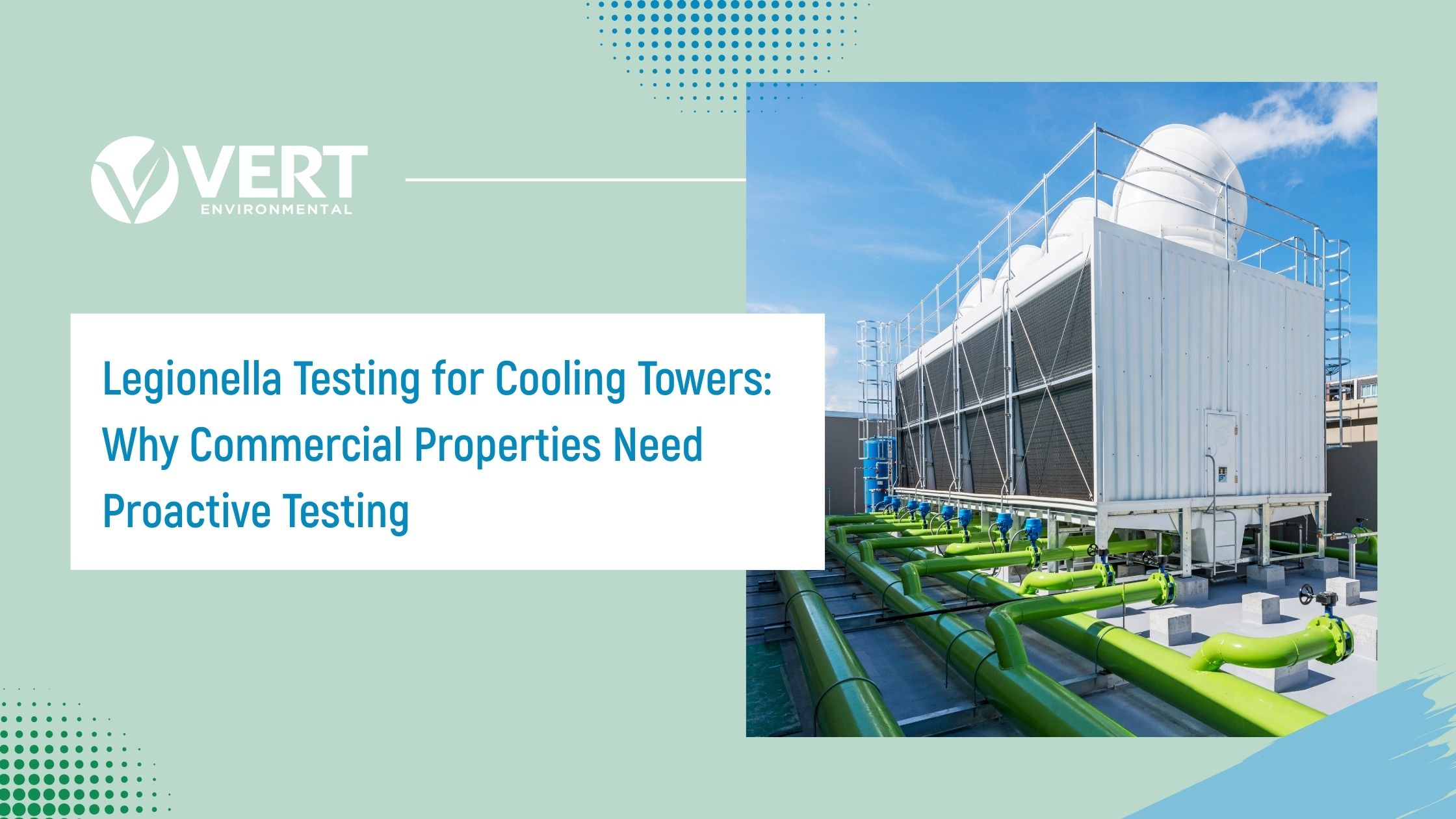
Legionella Testing for Cooling Towers: Why Commercial Properties Need Proactive Testing
Asbestos Clearance Testing: What Insurance Adjusters and Restoration Contractors Need