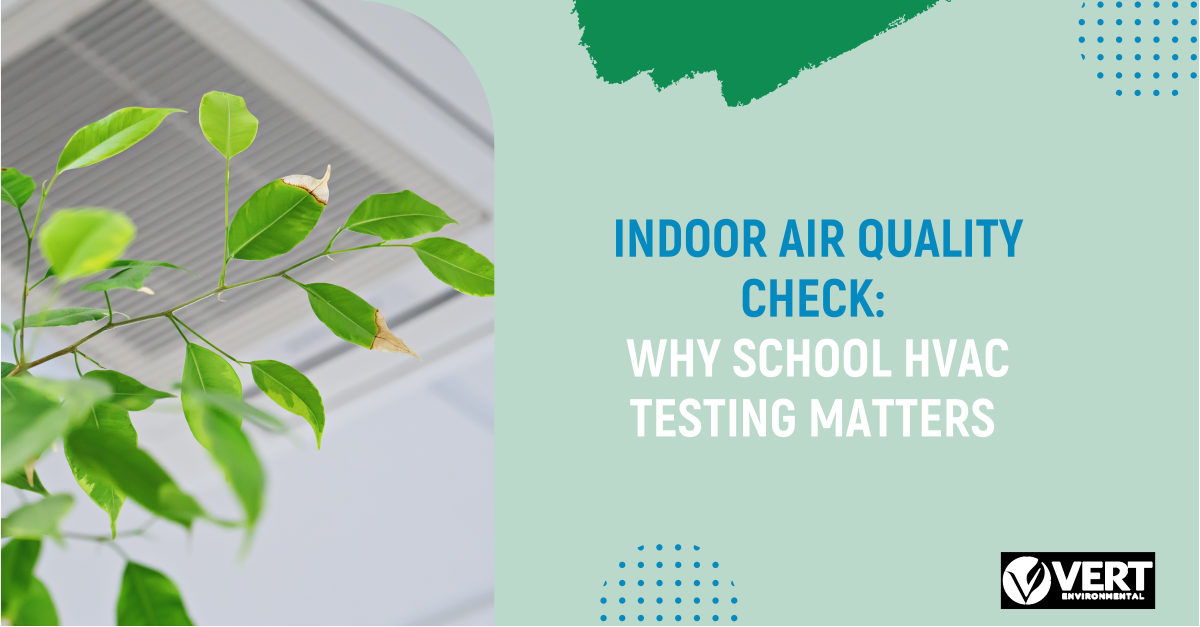
Indoor Air Quality Check: Why School HVAC Testing Matters
When we think about the quality of education, the focus often centers on teachers, curriculum, and facilities. But there’s one critical factor that might not be visible but profoundly impacts students and staff: indoor air quality (IAQ). Maintaining a healthy learning environment in schools goes beyond textbooks and classrooms; it extends to the very air students breathe. In this blog post, we delve into the crucial topic of IAQ in schools and why school HVAC testing matters.
Understanding Indoor Air Quality
At its core, indoor air quality refers to the condition of the air within and around buildings. In the context of schools, it directly affects the well-being, health, and performance of students and staff. Several factors contribute to IAQ, including:
- Pollutants: This encompasses a wide range of substances, from dust and pollen to more harmful pollutants like mold, bacteria, and volatile organic compounds (VOCs).
- Temperature: Proper temperature control ensures comfort and productivity, especially during extreme weather conditions.
- Humidity: Maintaining optimal humidity levels is crucial to prevent issues like mold growth and respiratory problems.
- Ventilation: Proper ventilation ensures a constant supply of fresh outdoor air while removing indoor air pollutants.
The Role of HVAC Systems
Heating, Ventilation, and Air Conditioning (HVAC) systems play a pivotal role in managing indoor air quality in schools. They are responsible for:
- Temperature Control: HVAC systems ensure that classrooms maintain a comfortable temperature, which is essential for a conducive learning environment.
- Ventilation: Effective ventilation systems exchange stale indoor air with fresh outdoor air, diluting pollutants and enhancing IAQ.
- Air Filtration: Many HVAC systems include filters that capture airborne particles, such as allergens and contaminants.
Common IAQ Issues in Schools
Schools often face several common IAQ issues, including:
- Mold: Damp environments in schools can lead to mold growth, which can trigger allergies and respiratory issues among students and staff.
- Allergens: Dust mites, pollen, and pet dander can accumulate in school facilities, exacerbating allergies.
- Bacteria and Viruses: Poor IAQ can contribute to the spread of illnesses within school settings.
- Volatile Organic Compounds (VOCs): VOCs emitted from cleaning products and building materials can cause various health problems.
Benefits of Regular HVAC Testing
Regular HVAC testing offers numerous benefits for schools, including:
- Prevent IAQ Problems: Testing identifies potential issues before they become serious problems, preventing health concerns.
- Enhance Energy Efficiency: Well-maintained HVAC systems operate efficiently, reducing energy consumption and costs.
- Create a Better Learning Environment: Improved IAQ enhances students’ ability to focus, reduces absenteeism, and supports academic success.
The Testing Process
The HVAC testing process typically includes:
- Air Quality Assessments: Professionals assess the indoor air quality to identify pollutants and potential sources.
- Inspections: HVAC systems are inspected for any issues or areas needing maintenance or repair.
- Monitoring: Continuous monitoring helps ensure that IAQ remains at acceptable levels.
Compliance with Regulations
Schools must comply with relevant regulations and standards related to indoor air quality. Ensuring compliance not only protects the health of occupants but also avoids legal complications.
Educating Stakeholders
To maintain healthy IAQ, it’s essential to involve all stakeholders, including school administrators, teachers, parents, and students. Informed stakeholders are more likely to support efforts to improve IAQ.
Choosing the Right Testing Partner
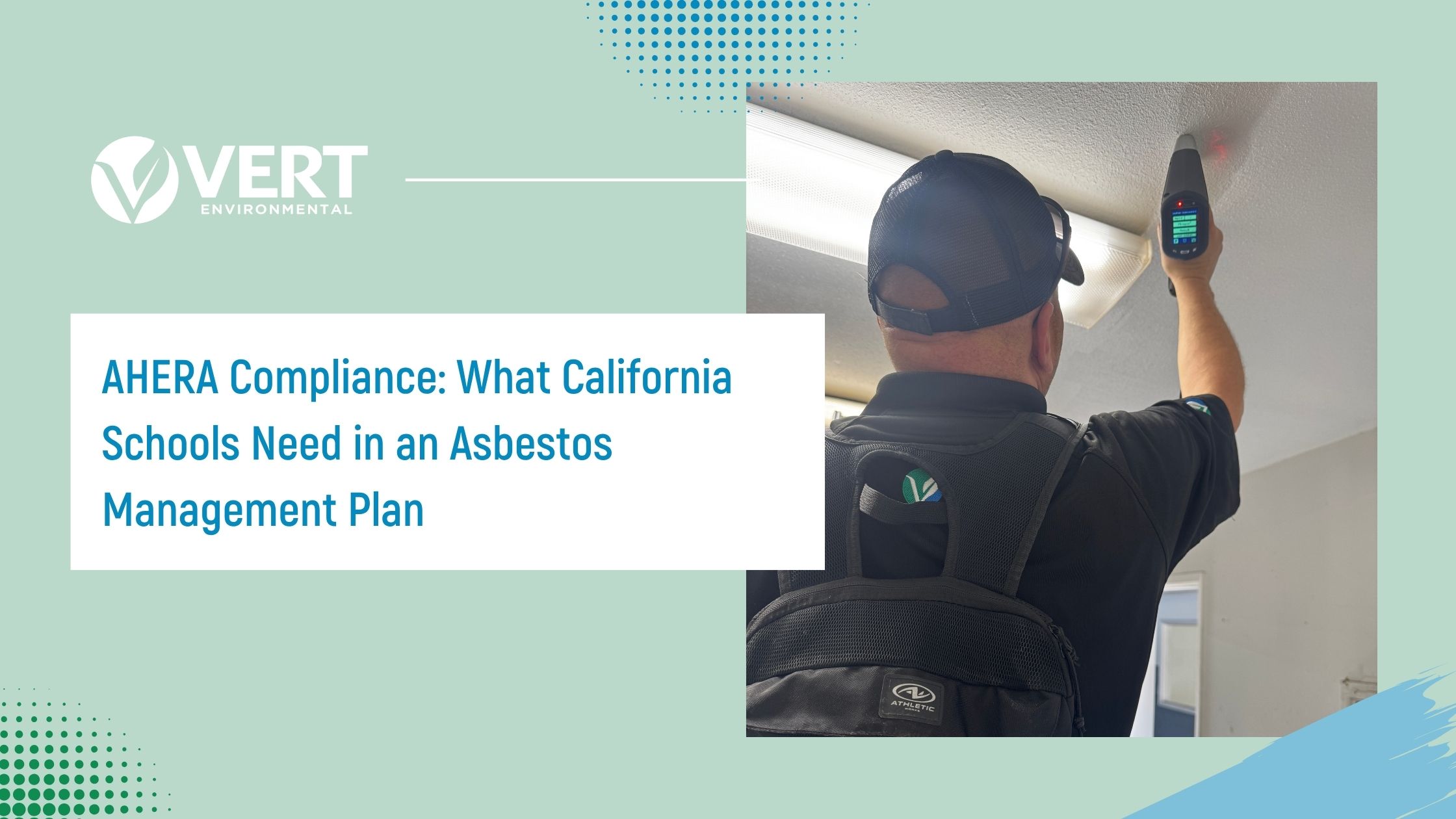
Selecting a professional environmental testing company is critical. Look for experienced partners with relevant certifications and strong references. Vert Environmental is here to support your school in achieving optimal IAQ.
In conclusion, indoor air quality significantly influences the health and well-being of students and staff in schools. Regular HVAC testing is a proactive measure that prevents IAQ issues, enhances energy efficiency, and creates a better learning environment.
To schedule your school’s HVAC testing and ensure a healthy atmosphere for learning, visit Vert Environmental’s website today.

Related Articles

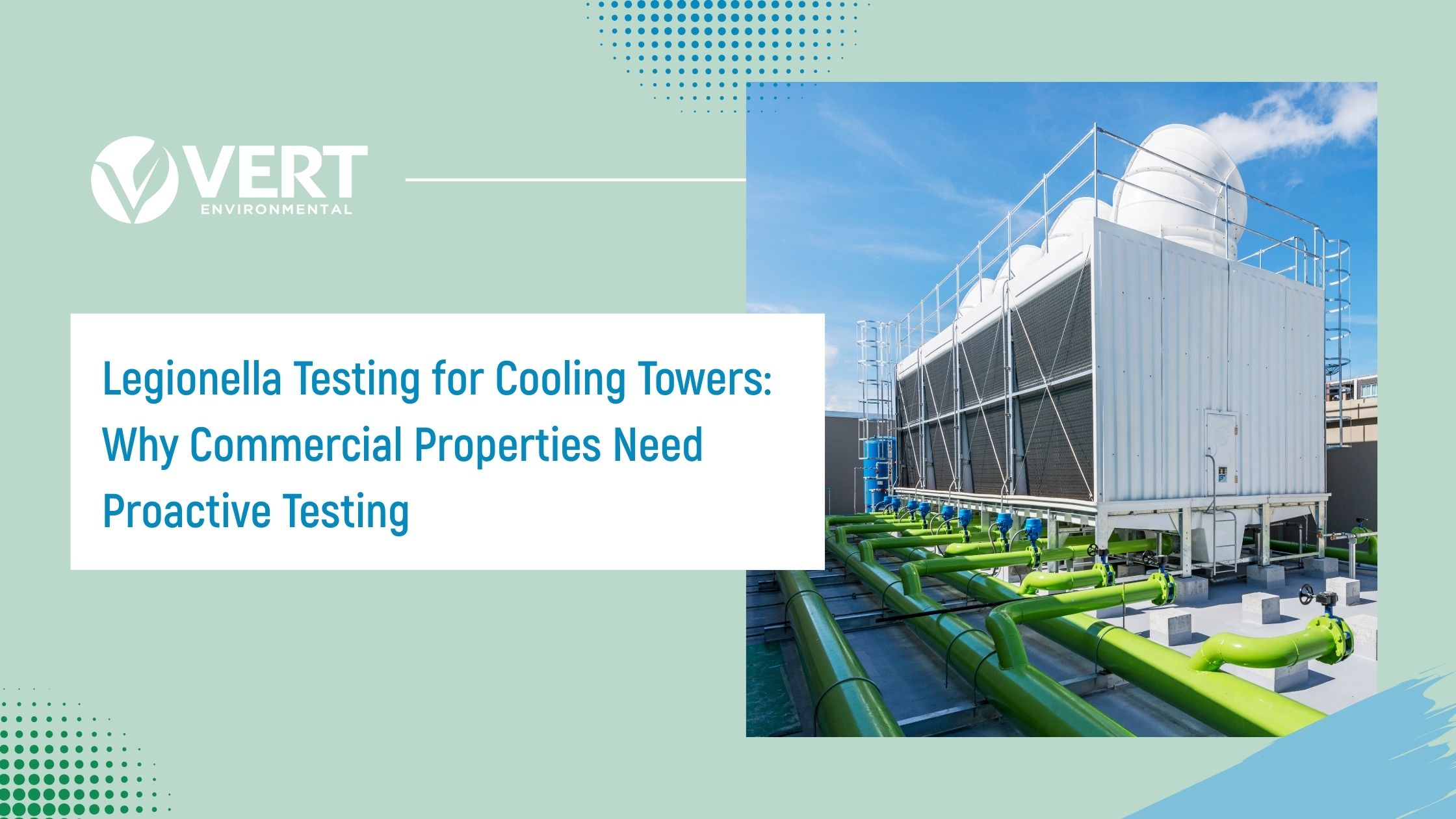
Legionella Testing for Cooling Towers: Why Commercial Properties Need Proactive Testing
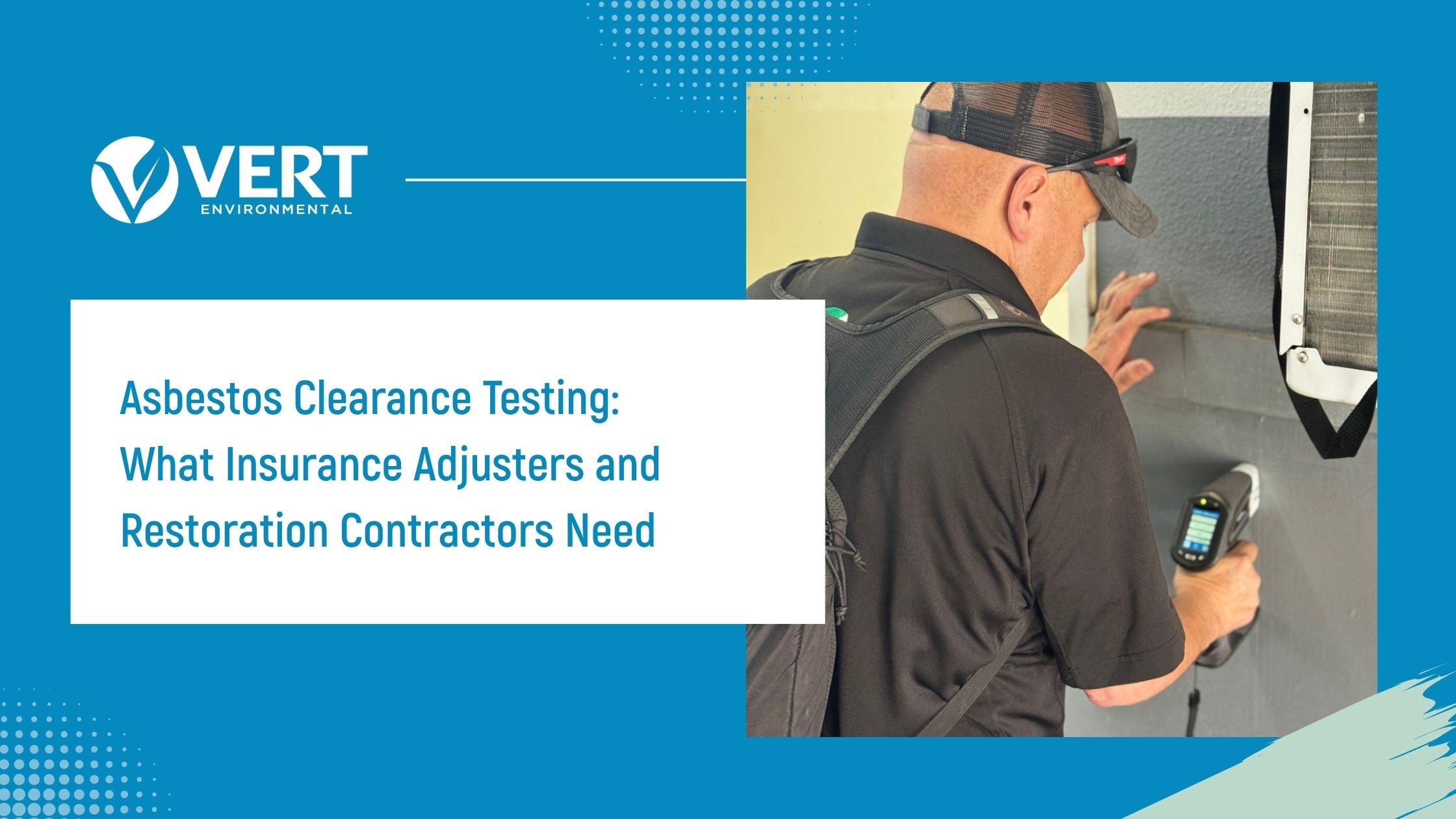
Asbestos Clearance Testing: What Insurance Adjusters and Restoration Contractors Need