Asbestos Exposure Risks Post-Wildfire
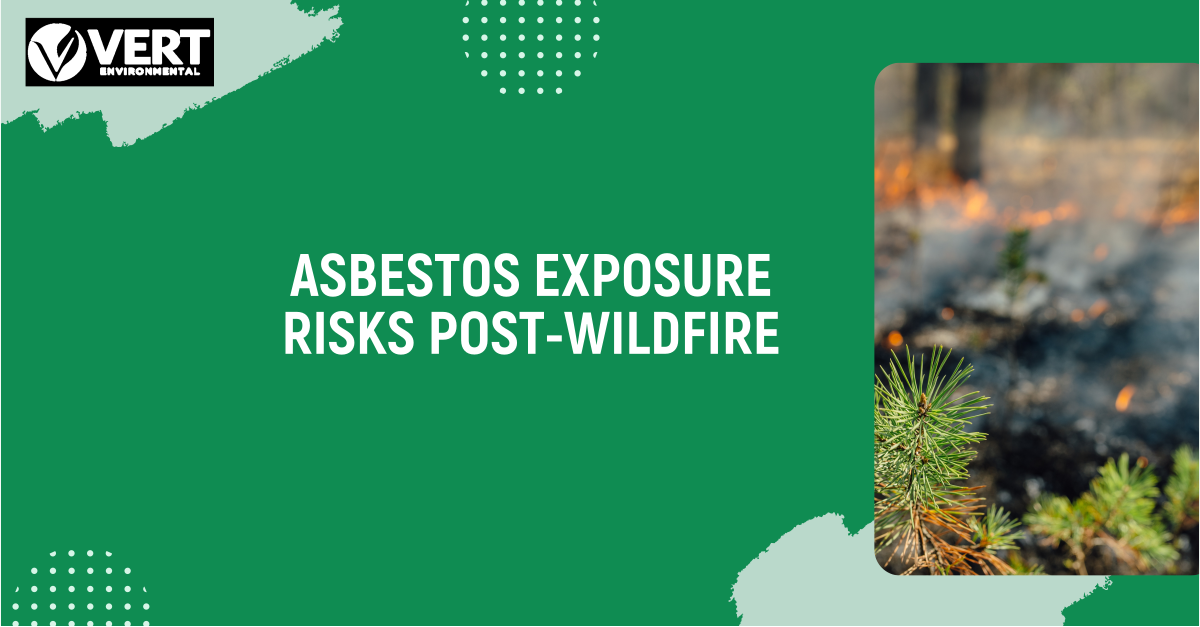
Wildfires are becoming an all-too-common part of our lives, devastating landscapes, communities, and air quality. Beyond the immediate threats of these fires lies an invisible danger: asbestos exposure risks that persist long after the flames have been extinguished.
The Presence of Asbestos
Before we delve into the asbestos exposure risks after a wildfire, let’s understand what asbestos is and why it’s relevant. Asbestos is a naturally occurring mineral that was widely used in construction for decades due to its fire-resistant properties, durability, and insulating abilities. It was prevalent in a multitude of building materials, making it a concern in many older structures.
Asbestos in Wildfire-Affected Areas
The danger of asbestos exposure in wildfire-affected areas is often underestimated. When a wildfire sweeps through, the intense heat can damage buildings and structures, releasing asbestos fibers into the air. These fibers can then be inhaled, leading to serious health risks.
Health Risks of Asbestos Exposure
Asbestos exposure is no small matter. The health risks associated with it are severe, and it’s essential to understand these risks for the residents and first responders working in wildfire-affected regions.
Mesothelioma and Lung Cancer
Asbestos exposure is known to cause mesothelioma, a rare but aggressive form of cancer that primarily affects the lining of the lungs, abdomen, or heart. It is also linked to lung cancer, particularly in individuals who smoke.
Asbestosis
Exposure to asbestos fibers can lead to asbestosis, a chronic lung condition characterized by inflammation and scarring of the lung tissue. This condition can cause breathing difficulties and increase the risk of respiratory infections.
Respiratory Issues
Inhaling asbestos fibers can result in various respiratory problems, including shortness of breath, coughing, and wheezing. These symptoms can be particularly concerning in wildfire-affected areas where air quality is already compromised.
Common Asbestos-Containing Materials
To be proactive in protecting yourself and your family, it’s essential to know where asbestos-containing materials might be found in your home.
Insulation
Asbestos was commonly used in insulation materials, including attic insulation and pipe insulation. It provided excellent heat resistance and insulation properties.
Floor Tiles and Adhesives
Vinyl floor tiles and the adhesives used to install them often contained asbestos. When disturbed, these materials can release asbestos fibers into the air.
Roofing Materials
Some roofing materials, such as shingles and roofing felt, contained asbestos. Roof damage during a wildfire can release these fibers.
Siding and Cement Sheets
Older homes may have siding and cement sheets made with asbestos. Damage to these materials can pose a risk.
Popcorn Ceilings
Popcorn ceilings, a popular texture in older homes, frequently contained asbestos. When disturbed or damaged, these ceilings can release asbestos fibers.
Precautions for Residents
For those returning to their homes after a wildfire or living in wildfire-prone areas, it’s crucial to take precautions to reduce the risk of asbestos exposure.
Assess the Risk
If your home was built before the 1980s, there is a higher likelihood of asbestos-containing materials. Consider having an asbestos assessment performed by professionals like Vert Environmental.
Leave Debris to Professionals
Avoid handling debris from fire-damaged structures yourself, especially if you suspect asbestos-containing materials are present. Contact asbestos removal experts to handle the cleanup.
Wear Protective Gear
If you must enter a fire-damaged area with potential asbestos exposure, wear appropriate protective gear, including an N95 respirator, gloves, and disposable coveralls.
Minimize Disturbance
Avoid disturbing any materials that may contain asbestos. Asbestos fibers are most dangerous when they become airborne.
Importance of Professional Assessment
While these precautions are essential, professional assessment and asbestos testing are crucial steps to ensure your safety.
Comprehensive Assessments
Environmental consulting firms like Vert Environmental specialize in thorough asbestos assessments. They can analyze your property for asbestos-containing materials and provide recommendations for mitigation.
Mitigation Strategies
If asbestos-containing materials are found, professionals can recommend mitigation strategies to ensure safe removal or encapsulation.
Peace of Mind
Seeking the expertise of environmental professionals can provide peace of mind, knowing that your property is thoroughly assessed, and any asbestos issues are expertly addressed.
While wildfires remain a significant concern for communities and ecosystems, the hidden threat of asbestos exposure should not be underestimated. The consequences of asbestos exposure can have long-lasting effects on health. By staying informed, testing for asbestos, and seeking the assistance of professionals like Vert Environmental, you can protect your health and ensure that your property is safe, even in the aftermath of wildfires.
For professional asbestos assessments to safeguard your home and health, visit Vert Environmental’s website. Protect your loved ones and your property today.

Related Articles


New GSA Drinking Water Testing Rules: What You Need To Know

New Radon Testing Rules: What’s Changed?