Frequently Asked Questions
Asbestos Testing
How Long Does a Professional Asbestos Test Take With Vert Enviro?
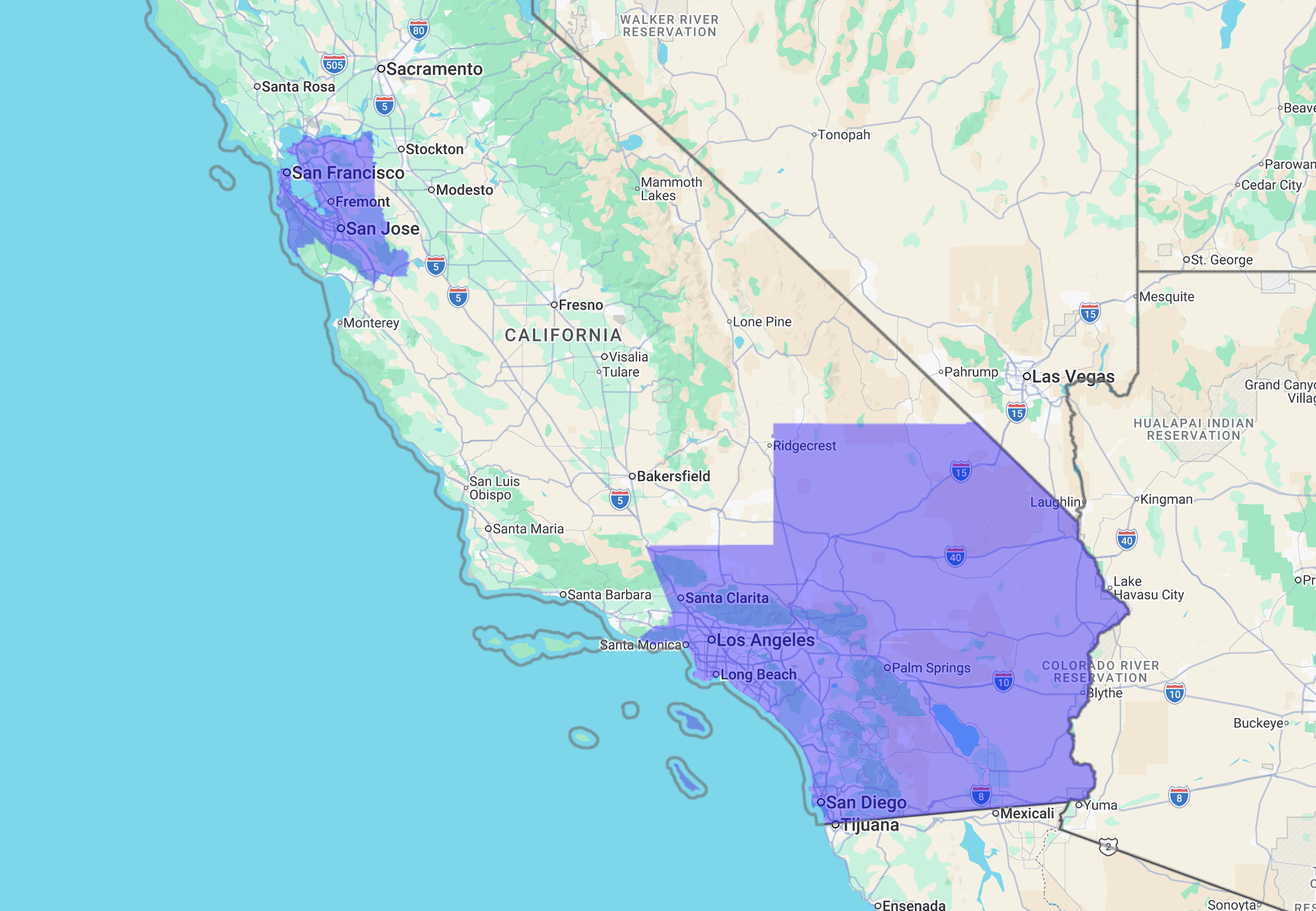
Most on-site asbestos sampling appointments with Vert Enviro take less than 30 minutes for inspection and collection, followed by lab analysis, usually returned within the same day or up to a week, depending on the turnaround time requested. This rapid turnaround supports same-day scheduling options for many Southern California clients in Orange, LA, San Diego, Riverside, and San Bernardino counties.
When Should a Homeowner/Property Owner in Southern California Schedule Asbestos Testing?
Schedule asbestos testing before renovating, remodeling, or demolishing a property, after events like fire, flooding, earthquakes, major leaks, or prior to mold remediation. Other times you need asbestos testing include before tenant improvements or when suspect materials are disturbed, crumbling, damaged or deteriorating. Early testing with Vert Enviro helps protect families and workers by identifying hazardous fibers before disturbance.
Is Asbestos Testing Safe to Perform in Occupied Homes?
Yes. Vert Enviro’s team is highly experienced and has certified technicians following strict safety protocols in accordance with state and federal regulations to collect samples without releasing asbestos fibers into the air, ensuring residents remain protected during testing.
What Happens After Asbestos Testing Detects Asbestos in My Property?
If testing comes back with positive samples containing asbestos, Vert Enviro provides you with a detailed lab report and expert recommendations on next steps to protect occupants in your Southern California home or commercial site.
Does Vert Enviro Offer Same-Day Asbestos Testing in Southern California?
Yes. Vert Enviro offers same-day testing and same-day results in Southern California areas, including Orange County, Los Angeles County, San Diego County, Riverside County, and San Bernardino County, when scheduled early in the day.
Why Choose Vert Enviro for Asbestos Testing Near San Diego or the Bay Area?
Choose Vert Enviro because its team of state-certified environmental experts provides consistent, accurate asbestos testing with rapid, easy-to-read reporting, regulatory compliance, and expert guidance, making them a trusted partner throughout Southern California and the Bay Area.
Mold Testing
How Long Does a Mold Testing Appointment Usually Take?
A standard mold testing appointment takes about 45–90 minutes on-site, including visual inspection and sample collection. After testing, laboratory analysis is completed within 3 hours. This fast turnaround gives property owners, managers, and realtors clear, data-based confirmation of mold presence without delaying repairs, real estate transactions, or remediation planning.
When Should I Schedule Mold Testing for My House or Condo?
You should schedule mold testing after water damage, flooding, plumbing leaks, or when you notice musty odors, visible mold, or ongoing allergy symptoms. Testing is also recommended before buying or selling a home to document indoor air conditions and detect hidden mold growth that may not be visible during a walkthrough.
Can Mold Testing Detect Hidden Mold Behind Walls or Ceilings?
Yes, mold testing can help detect hidden mold by identifying elevated airborne spore levels even when growth is not visible. Professional inspection combined with air sampling often reveals mold problems inside walls, ceilings, or crawl spaces, where moisture can accumulate without obvious signs on surfaces.
How Fast Can I Get Mold Testing Results After Samples Are Collected?
Mold testing results are usually available within 3 hours after samples are collected and submitted to the laboratory. This quick reporting timeline allows homeowners to make informed decisions quickly, whether planning mold remediation, confirming safe indoor air quality, or providing documentation for real estate or insurance purposes.
Are Mold Testing Reports Useful for Insurance or Real Estate Needs?
Yes, mold testing reports include laboratory-verified data on mold types and spore levels, which can support insurance claims related to water damage and provide documentation during real estate transactions. Clear testing results help demonstrate indoor air conditions and guide negotiations, repairs, or remediation planning when mold is discovered.
Why Should I Get Mold Testing Done?
If you’ve had recent water damage, noticed musty odors, or are experiencing unexplained health symptoms like headaches or allergies, mold testing can help pinpoint the problem. It provides scientific evidence of mold presence, type, and concentration, essential for guiding next steps.
What Does Mold Testing Involve?
Our certified technicians take a combination of:
- Air samples to test indoor air quality
- Surface samples to check visible growth
- Wall cavity testing if hidden mold is suspected
- Samples are sent to an accredited lab, and results are typically available within 24–48 hours.
Can’t I Just Use a DIY Mold Test Kit?
DIY kits are often unreliable and don’t give you the context needed to interpret results. Professional testing includes an inspection, moisture readings, lab analysis, and expert interpretation, something no over-the-counter test can provide.
Is Mold Testing Covered by Insurance?
Mold testing is sometimes covered by insurance, but it depends on your specific policy.
In general, it’s only covered when the mold is caused by a sudden, accidental event (like a burst pipe) that is already part of a covered claim. In those cases, testing may be included as part of the investigation.
However, mold testing is usually not covered if the issue is due to long-term leaks, humidity, poor maintenance, or pre-existing conditions, and standalone inspections are typically out-of-pocket.
What Happens If You Find Mold?
We’ll walk you through the findings in plain English, including:
The types of mold present (some are more harmful than others)
Whether levels are elevated compared to normal environments
Recommended next steps, including whether remediation is necessary
And if remediation is needed, we can help coordinate or refer you to trusted professionals (we can also test again post-remediation to confirm clearance).
Is Mold Dangerous?
Mold can be dangerous, but it depends on the type, amount, and your individual health. While mold is naturally present in the environment and small amounts are usually harmless, indoor mold growth especially from water damage can cause issues like allergies, coughing, skin irritation, and headaches. Some people, including children, the elderly, and those with asthma or weakened immune systems, are more sensitive. Ultimately, the real concern is the underlying moisture problem that allows mold to grow, which should be fixed to prevent ongoing exposure.
How Do I Schedule a Mold Test?
Just call or text us at 858-433-3290, email us at testing@vertenviro.com, or fill out the “Contact Us” Form below. We offer flexible appointments and fast turnaround.
Lead Testing
Can Lead Testing Help Protect Children From Lead Exposure?
Lead testing helps protect children by identifying lead in paint, dust, or soil before exposure happens. Children are more vulnerable because lead dust can be ingested through normal hand-to-mouth activity. Testing provides clear lab results that show whether a home environment poses a risk and needs corrective action.
Should Lead Testing Be Done Before Remodeling or Renovation Work?
Lead testing should be completed before remodeling because sanding, cutting, or demolishing older materials can release lead dust into the air. Testing identifies lead-containing surfaces in advance, allowing contractors and homeowners to follow lead-safe practices and prevent contamination during renovation or construction activities.
Is Lead Testing Required for Rental Properties or Property Managers?
Lead testing is required for rental properties to help landlords identify potential lead hazards. Properties built pre-1978 must test the paint for lead prior to demolition or disturbance. San Diego City requires testing for properties built pre-1979. Testing supports compliance efforts, reduces liability risks, and helps document property safety when housing families, children, or long-term tenants in older residential buildings.
Does Lead Testing Include Checking Household Dust and Soil?
Lead testing commonly includes dust and soil sampling because these are frequent exposure sources around older homes. Dust from deteriorating paint and contaminated soil near foundations can contain lead particles. Laboratory analysis measures lead concentration levels, helping identify where exposure risks are most likely occurring.
Can Lead Testing Detect Problems Even if Paint Looks Intact?
Yes, lead testing can detect lead hazards even when paint appears intact. Invisible lead dust can form from friction points like windows and doors. Sampling and lab analysis identify microscopic lead particles that pose exposure risks, providing insight beyond what a visual inspection alone can reveal.
Soil Testing
How Long Does a Professional Soil Testing Process Take?
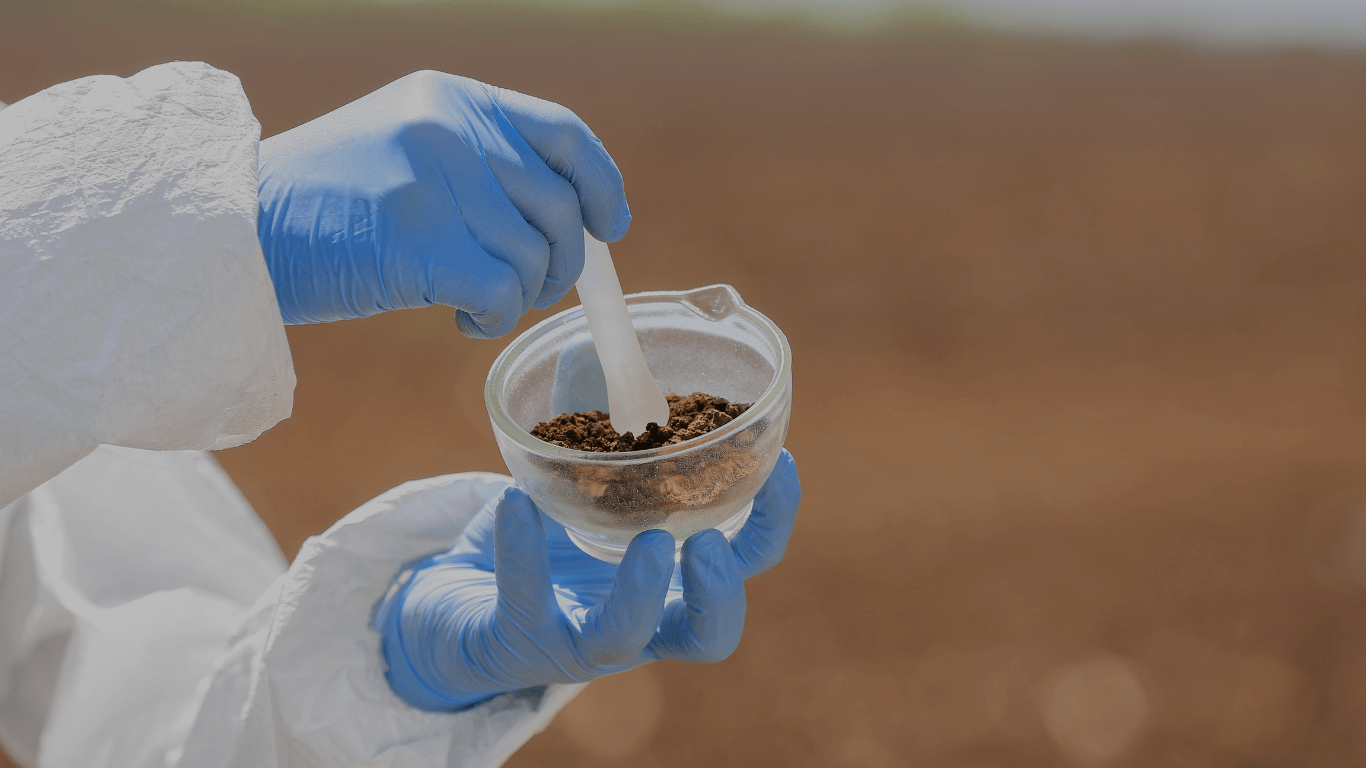
Soil testing typically involves on-site sample collection followed by laboratory analysis. Sample collection is usually completed during a single visit, while lab results are commonly delivered within 3-4 hours. This timeline allows property owners and developers to make informed decisions without delaying project schedules or environmental evaluations.
Is Soil Testing Required for Environmental or Regulatory Compliance?
Soil testing is often required to support environmental assessments, redevelopment approvals, or regulatory compliance. Testing provides documented laboratory results that help demonstrate soil conditions meet environmental standards. This data is frequently used for permitting, environmental reports, and risk evaluations associated with construction or land redevelopment projects.
Can Soil Testing Help Determine if Land Is Safe for Landscaping or Gardening?
Yes, soil testing helps determine whether soil is safe for landscaping or gardening by identifying harmful contaminants that could affect plants or human contact. Lab results reveal soil quality and contamination levels, helping property owners decide whether soil treatment, removal, or protective measures are needed before planting.
How Accurate Is Professional Soil Testing Compared to Visual Checks?
Professional soil testing is far more accurate than visual checks because contamination is often invisible. Laboratory analysis measures specific substances and concentration levels that cannot be detected by sight or smell. This scientific approach provides reliable data for decision-making, rather than assumptions based on surface appearance alone.
When Should Soil Testing Be Done Before Construction or Development?
Soil testing should be completed before construction, grading, or excavation to confirm soil safety and suitability. Testing helps identify contaminants that could pose health risks or delay permits. Early testing prevents costly project interruptions by providing clear environmental data before work begins on residential or commercial properties.
Water Quality Testing
What Does Professional Water Quality Testing Actually Check For?
Water quality testing checks drinking water for contaminants by collecting samples and analyzing them in a laboratory. Testing can identify substances that affect safety, taste, and odor, including bacteria, metals, and other pollutants. Results provide clear measurements showing whether water meets acceptable standards for household use and consumption.
Is Water Quality Testing Important for Homes With Private Wells?
Yes, water quality testing is especially important for homes with private wells because well water is not regulated like municipal systems. Testing confirms whether groundwater contains harmful contaminants and provides documented results so homeowners know their drinking water is safe for daily use, cooking, and bathing.
Does Water Quality Testing Require Shutting off Household Water?
No, water quality testing does not require shutting off household water. Samples are collected directly from designated faucets or water sources without disrupting normal water use. The process is non-invasive and allows homeowners to continue daily activities while testing is completed safely and efficiently.
What Happens if Water Quality Testing Shows Unsafe Levels?
If water quality testing shows unsafe levels, you receive a detailed report explaining which contaminants were detected and their measured levels. Clear recommendations are provided to help determine next steps, such as treatment options or further evaluation, so you can restore safe drinking water conditions confidently.
Should Water Quality Testing Be Done After Plumbing Repairs or Upgrades?
Yes, water quality testing is recommended after major plumbing repairs or upgrades to confirm water remains safe and uncontaminated. Testing helps verify that new materials or system changes have not introduced unwanted substances, ensuring drinking water quality remains suitable for household use.
Is Legionella testing necessary for apartment buildings?
Legionella testing is recommended for properties with complex plumbing systems, hot water recirculation loops, cooling towers, decorative fountains, spas, or centralized water heating systems. While not universally mandated, Legionella risk management is encouraged under CDC guidance and ASHRAE Standard 188, particularly for properties housing elderly or medically vulnerable residents.
Is Water Testing Required for Healthcare Facilities in California?
Yes. Healthcare facilities are expected to maintain safe water systems to protect patients, staff, and visitors. While specific testing requirements vary by facility type, compliance is generally driven by the Safe Drinking Water Act (SDWA), California Division of Drinking Water regulations, Cal/OSHA standards, and federal healthcare oversight expectations.
Is Legionella Testing Required in Healthcare Settings?
Legionella risk management is strongly emphasized in healthcare facilities due to vulnerable populations. CMS (Centers for Medicare & Medicaid Services) requires Medicare- and Medicaid-certified facilities to implement water management programs that reduce the risk of Legionella and other waterborne pathogens. These programs should align with CDC guidance and ASHRAE Standard 188. Testing is often a critical component of demonstrating program effectiveness.
What contaminants should healthcare facilities test for?
Healthcare facilities commonly test for:
- Legionella bacteria
- Total coliform bacteria and E. coli
- Lead and copper
- Heavy metals
- Volatile Organic Compounds (VOCs)
- General water chemistry parameters
Facilities with cooling towers, hot water recirculation systems, decorative water features, or dialysis equipment may require additional monitoring.
Are Certified Laboratories Required for Healthcare Water Testing?
Yes. All regulatory or compliance-related water testing should be analyzed by California ELAP-accredited laboratories operating under ISO/IEC 17025 quality standards and utilizing EPA-approved analytical methods. This ensures accurate, defensible data suitable for audits and regulatory review.
How Often Should Healthcare Facilities Perform Water Testing?
Testing frequency depends on facility type and risk profile. Legionella testing may be performed quarterly, semi-annually, or annually depending on the water management plan. Drinking water parameters may follow state monitoring schedules or facility-specific protocols. Risk assessments help determine appropriate intervals.
Is Water Testing Required for Daycare Facilities and Schools in California?
Yes. Licensed childcare facilities must ensure that drinking water is safe for children and staff. In many cases, testing is required or strongly recommended for lead and bacterial contamination, especially in older buildings or facilities serving young children.
Does AB 746 Apply to Daycare Centers and Schools?
AB 746 specifically applies to public K–12 schools; however, many childcare facilities operate in buildings constructed before 1986 and are encouraged to test for lead in drinking water. Some childcare centers may also fall under additional local or state requirements depending on funding or building ownership.
What Contaminants Should Daycare Facilities and Schools Test For?
Common recommended testing includes:
- Lead in drinking water
- Total coliform bacteria and E. coli
- Legionella (in larger buildings or facilities with complex plumbing systems)
- Heavy metals
- Nitrates (especially for private wells)
Facilities using private wells may have additional testing requirements.
How Often Should Daycare Facilities and Schools Test Their Water?
Testing frequency depends on the water source:
- Public water systems: Periodic lead and bacteria testing is recommended, especially after plumbing changes.
- Private wells: Annual testing for bacteria and nitrates is strongly recommended, with additional testing for heavy metals or other contaminants as needed.
Legionella testing may be recommended as part of an ongoing water management program in larger facilities.
Why Is Professional Third-Party Testing Important?
Independent third-party testing ensures unbiased results. As a testing-only firm that does not sell filtration systems, we provide objective data and clear guidance to help daycare operators maintain compliance and protect children’s health.
What Happens if Contaminants Are Detected?
If testing identifies elevated contaminant levels, corrective actions may include fixture replacement, plumbing modifications, system flushing, filtration installation, disinfection procedures, or implementation of a formal water management plan. Follow-up clearance testing is recommended to verify that corrective measures were effective.
Are Certified Laboratories Required?
Yes. Water samples should be analyzed by California ELAP-accredited laboratories using EPA-approved methods to ensure accurate, defensible, and regulatory-compliant results.
Smoke & Fire Residue Testing
Why Is Fire and Smoke Testing Necessary After a Fire?
Even small fires can release microscopic contaminants that are not visible to the eye. Smoke and combustion byproducts can settle into HVAC systems, insulation, wall cavities, and porous materials. Testing identifies hidden contamination to ensure the property is truly safe and fully restored.
Is Testing Necessary After a Minor Kitchen or Electrical Fire?
Yes. Different types of fires produce different contaminants. Kitchen fires may release grease-based residues, electrical fires can release heavy metals and toxic synthetic compounds, and structural fires may disturb asbestos or lead-containing materials. Testing helps determine the specific hazards present.
What Contaminants Do You Test For?
Depending on the fire event, we may test for:
- Soot, ash, and char residues
- Volatile Organic Compounds (VOCs)
- Heavy metals (including lead)
- Asbestos (if legacy materials were disturbed)
- Lithium contamination from batteries
- Combustion byproducts impacting indoor air quality
Testing is tailored to the materials involved in the fire.
Are Your Technicians Certified?
Yes. Our team includes HAZWOPER-trained environmental professionals, California Certified Asbestos Consultants (CAC), and CDPH-certified Lead Inspectors/Risk Assessors where required. All sampling follows Cal/OSHA, AHERA, and applicable state and federal regulations.
Are the Laboratories Accredited?
Yes. Samples are analyzed by California ELAP-accredited laboratories operating under ISO/IEC 17025 quality standards. When asbestos or lead analysis is required, NVLAP- and EPA-recognized methods are utilized to ensure legally defensible results.
How Does Third-Party Testing Help With Insurance Claims?
Independent testing provides objective, science-based documentation of contamination levels and affected areas. This helps ensure your insurance carrier and contractor fully understand the scope of damage and do not overlook hidden hazards. Proper documentation supports fair claim evaluation and thorough restoration.
Can Smoke Contamination Remain After Cleaning?
Yes. Surface cleaning alone may not remove microscopic particles embedded in porous materials or HVAC systems. Testing confirms whether contamination remains and whether additional remediation is needed.
Do You Offer Post-Remediation Clearance Testing?
Yes. After cleanup is complete, we perform follow-up testing to verify that contaminant levels have been reduced to acceptable standards. Clearance documentation provides confidence that the property is safe for re-occupancy.
How Quickly Can Testing Be Performed?
We offer rapid response and same-day testing in many cases to help minimize delays and accelerate the restoration process.
When Should Smoke Residue Testing Be Done After a Fire?
Smoke residue testing should be performed after a fire is extinguished and before cleanup or rebuilding begins. Early testing helps determine how far smoke particles traveled throughout the property. Identifying contamination early supports proper cleaning decisions and reduces the risk of lingering odors or ongoing exposure after repairs.
Can Smoke Residue Testing Find Contamination Even if There Is No Visible Soot?
Yes, smoke residue testing can detect contamination even when soot is not visible. Smoke particles often spread through HVAC systems and settle on surfaces without leaving obvious marks. Laboratory analysis identifies residue that cannot be seen, helping confirm whether hidden contamination remains inside the building.
Can Smoke Residue Affect Indoor Air Quality After a Fire?
Smoke residue can impact indoor air quality by releasing particles back into the air when disturbed. Testing helps identify contaminated surfaces that may continue affecting air conditions. Understanding where residue is present allows property owners to address sources that could cause persistent odors or breathing discomfort.
Does Smoke Residue Testing Include HVAC Systems and Vents?
Smoke residue testing can include sampling near vents and HVAC-affected areas to evaluate whether smoke particles traveled through the system. Testing these locations helps determine if ductwork or connected rooms were impacted, supporting more accurate cleanup planning and reducing the risk of recirculating contaminants after restoration.
What services are recommended after the recent Southern California wildfires (including the Palisades and Eaton Fires)?
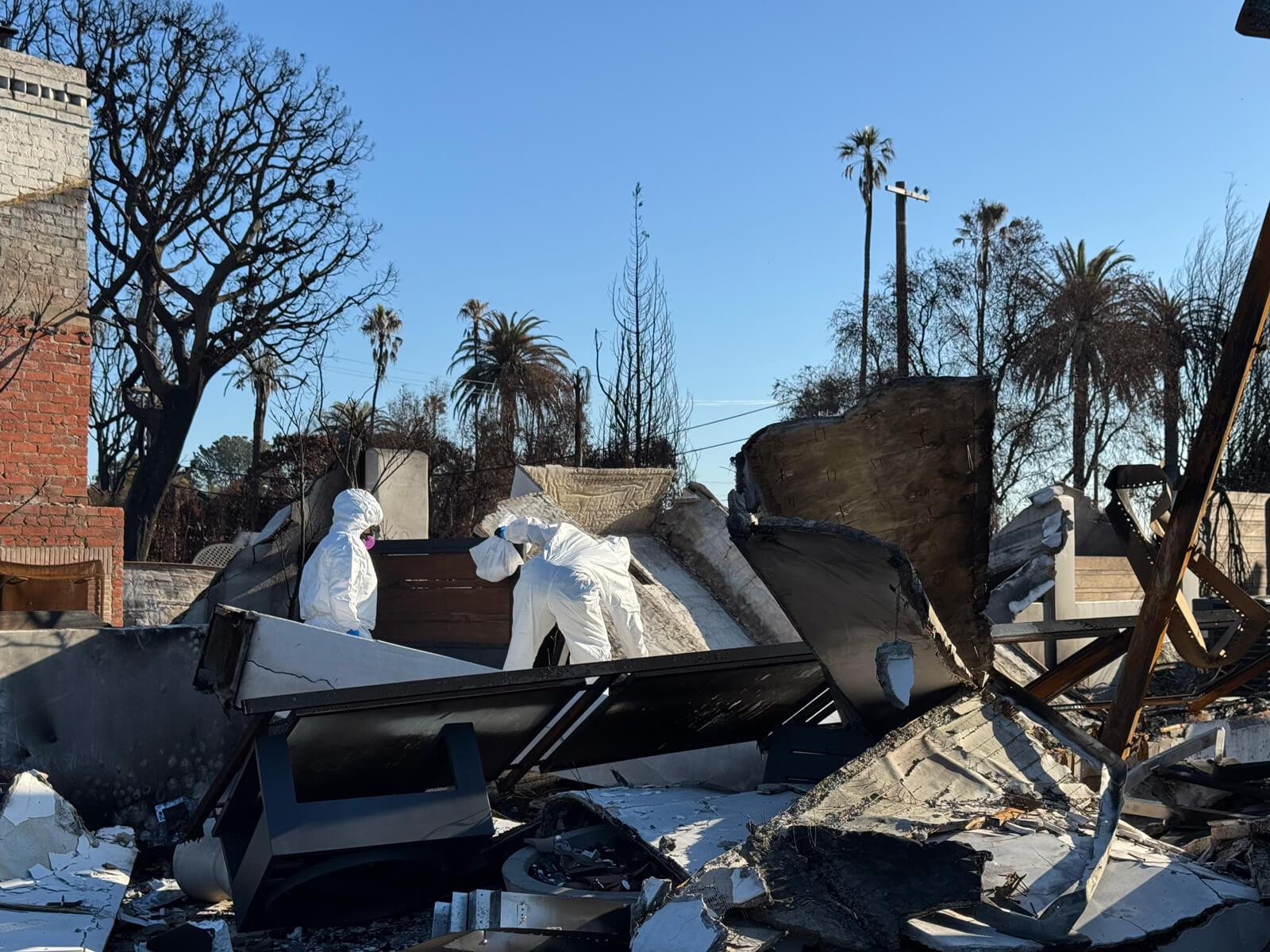
After major wildfire events such as the Palisades Fire and the Eaton Fire, properties may be impacted by more than visible structural damage. Even buildings outside of direct burn zones can experience smoke infiltration, ash deposition, and hazardous residue contamination. Fires involving homes, vehicles, solar systems, and battery storage units can introduce additional chemical hazards. The following services are recommended to properly assess post-fire conditions:
- Indoor Air Quality (IAQ) Testing – Evaluates smoke particles, combustion byproducts, and airborne contaminants remaining inside the property.
- Soot & Ash Surface Sampling – Determines whether residues contain hazardous substances such as heavy metals, VOCs, or toxic combustion compounds.
- Lithium Contamination Testing – Screens for lithium and battery-related contaminants that may be released from burned electronics, electric vehicles, solar battery storage systems, and household devices.
- Asbestos & Lead Assessment – Identifies disturbance of legacy building materials that may release asbestos fibers or lead dust after fire exposure.
- Heavy Metal & Chemical Contamination Testing – Screens for contaminants deposited from burned structures, vehicles, plastics, and synthetic materials.
- CAM-17 and RCRA Hazardous Waste Classification Testing – Determines whether fire debris, ash, or impacted materials qualify as hazardous waste under California Title 22 (CAM-17) and federal RCRA regulations, which is critical for proper disposal and regulatory compliance.
- HVAC & Duct System Evaluation – Assesses whether smoke particles have infiltrated ventilation systems and are recirculating contaminants.
- Soil Testing – Evaluates whether wildfire ash has introduced heavy metals or other pollutants into surrounding property areas.
- Post-Remediation Clearance Testing – Confirms that cleanup efforts have successfully reduced contamination to safe levels before re-occupancy.
- Insurance-Ready Documentation – Provides third-party laboratory reporting to support claims, remediation scope, and safe restoration.
Because each fire event produces different hazards depending on what materials are burned, professional testing ensures that hidden contamination is properly identified, classified, and addressed — protecting occupant health, regulatory compliance, and property value.
Indoor Air Quality Testing
How Long Does an Indoor Air Quality Testing Appointment Take?
An indoor air quality testing appointment usually takes about 45–90 minutes, including a walkthrough inspection and air sample collection from key living areas. Laboratory analysis is completed within 3 hours. This fast timeline allows homeowners to quickly understand indoor air issues and take action without delaying repairs or occupancy decisions.
When Should I Schedule Indoor Air Quality Testing for My House?
You should schedule indoor air quality testing if you notice musty odors, allergy symptoms, respiratory irritation, or after water damage or renovations. Testing is also recommended before buying or selling a home to document air conditions and identify hidden issues that may not be visible during a standard home inspection.
What Types of Air Samples Are Collected During Indoor Air Quality Testing?
Indoor air quality testing typically involves collecting air samples from occupied rooms to measure airborne particles and contaminants. These samples are analyzed in a laboratory to determine concentration levels and identify potential indoor pollutants, helping homeowners understand whether indoor air quality falls within normal, healthy ranges.
Can Indoor Air Quality Testing Find Problems I Can’t See or Smell?
Yes, indoor air quality testing can detect airborne contaminants even when there are no visible signs or strong odors. Elevated particle levels often indicate hidden issues such as mold growth inside walls or ventilation problems, allowing homeowners to address air quality concerns before they become more serious or widespread.
Is Indoor Air Quality Testing Safe for Children and Pets?
Yes, indoor air quality testing is completely non-invasive and safe for children and pets. The process involves air sampling equipment placed briefly in living areas without releasing chemicals or disturbing surfaces. Sampling typically takes under 90 minutes and does not affect daily activities, indoor air conditions, or household safety during testing.
How Often Should Indoor Air Quality Testing Be Performed in a Home?
Frequency on Indoor air quality testing varies for every property's needs, which our team can consult you on. It is recommended after major events such as water damage, renovations, or HVAC system changes. Periodic testing helps homeowners track air conditions over time and confirm that indoor air remains within healthy ranges, especially in homes with previous moisture or ventilation concerns.
Silica Dust Testing
How Does Silica Dust Testing Work During Active Construction Work?
Silica dust testing is performed while work is actively underway to capture real exposure conditions. Air sampling equipment is placed near breathing zones to collect airborne dust throughout the task. Samples are then analyzed in a laboratory to measure silica concentration levels during actual job activities.
How Long Does Silica Dust Testing Take On a Worksite?
Silica dust testing typically takes place over part or all of a work shift, depending on the task being evaluated. Sampling is followed by laboratory analysis. Results are generally available within a week or two, allowing employers to review exposure data and take action without delaying ongoing projects.
Is Silica Dust Testing Required for Workplace Safety Compliance?
Silica dust testing is often used to support workplace safety compliance by documenting airborne exposure levels. Testing provides measurable data that helps employers evaluate whether dust controls are effective and whether additional protective measures are needed to reduce worker exposure on construction or industrial job sites.
Can Silica Dust Testing Help Reduce Long-Term Health Risks?
Yes, silica dust testing helps reduce long-term health risks by identifying airborne exposure before it becomes excessive. Early detection allows employers to improve dust controls, work practices, or protective equipment, helping reduce repeated exposure that can impact worker health over time.
Does Silica Dust Testing Interfere With Normal Work Activities?
No, silica dust testing is designed to run alongside normal work activities. Sampling equipment operates while tasks are performed, without stopping production. This approach ensures accurate exposure data is collected while allowing crews to continue working under typical job site conditions.
Moisture Mapping
When Should Moisture Mapping Be Done After Water Damage?
Moisture mapping should be performed immediately after water damage from leaks, flooding, or plumbing failures. Early mapping helps identify how far moisture has spread and prevents missed wet areas. Prompt testing supports faster drying decisions and reduces the risk of long-term structural damage or secondary issues.
Can Moisture Mapping Find Hidden Water Behind Walls or Floors?
Yes, moisture mapping is designed to locate hidden moisture behind walls, beneath flooring, and inside ceilings where water cannot be seen. By measuring moisture levels in building materials, the process reveals concealed wet areas that may otherwise go untreated and lead to ongoing damage.
How Long Does a Professional Moisture Mapping Inspection Take?
A moisture mapping inspection typically takes 45–90 minutes, depending on property size and affected areas. During the visit, technicians scan surfaces and document moisture readings. The resulting data provides a clear overview of moisture conditions without requiring invasive removal of walls or flooring.
Is Moisture Mapping Useful During Mold Prevention Efforts?
Yes, moisture mapping plays a key role in mold prevention by identifying damp areas that support mold growth. Locating and drying moisture sources early helps stop mold from developing. Mapping ensures all affected areas are addressed, reducing the likelihood of mold returning after cleanup or repairs.
Can Moisture Mapping Be Used to Verify Drying Progress?
Yes, moisture mapping is commonly used to track drying progress after water damage. Repeated measurements confirm whether moisture levels are decreasing and if materials have returned to normal ranges. This documentation helps verify that drying efforts are effective before repairs or reconstruction begin.
VOC Monitoring
How Do I Know if My House Has Unsafe Voc Levels?
Even if you can’t smell them, VOCs can be present in indoor air. VOC monitoring collects air samples and analyzes them in a lab or with specialized sensors to detect harmful levels. Results show whether chemical vapors from paints, cleaners, or new furniture may be impacting air quality.
How Long Does Voc Monitoring Take In a Home?
VOC monitoring typically takes a few hours to set up sensors or collect air samples, depending on the size of your home and the number of rooms tested. After sampling, laboratory analysis or sensor readings provide detailed data, usually within 3-14 days depending on selected analysis turn-around-time, so you know quickly whether VOC levels are safe.
Should I Do Voc Monitoring if I Just Bought a New Home?
Yes, VOC monitoring in a newly purchased home can help confirm that air quality is safe, especially if the property has new flooring, paint, or cabinetry. Testing provides peace of mind that your family won’t be exposed to harmful chemical vapors from building materials or household products.
How Will Voc Monitoring Results Help Me Improve Indoor Air?
VOC monitoring reports show exact chemical concentrations and which rooms are affected. With this information, homeowners can take targeted actions like increasing ventilation, using air purifiers, or removing sources of VOCs. This ensures measurable improvement in indoor air quality and a safer living environment for your family.
Do Voc Levels Change Over Time in My Home?
Yes, VOC levels can fluctuate depending on temperature, humidity, cleaning products, or renovations. VOC monitoring provides a snapshot of current air quality and can be repeated periodically to track changes. Regular monitoring helps homeowners understand trends and take preventive steps to maintain safe indoor air over time.
OSHA Pel Testing
How Long Does OSHA Pel Testing Take In a Standard Workplace?
A complete OSHA PEL test generally takes 3–5 hours, depending on workplace size. Technicians conduct a visual inspection, set up personal monitoring devices, and collect area samples. Lab analysis takes another 3–5 business days, after which employers receive a detailed report showing airborne contaminant levels and recommended safety measures.
What Substances Are Measured During OSHA Pel Testing?
Testing measures airborne hazards such as dust, chemical fumes, VOCs, silica, and carbon monoxide. Technicians use personal monitors, area samplers, and direct-reading instruments to ensure precise results. The certified lab report lists measured concentrations versus OSHA limits, helping employers prioritize ventilation, PPE, and other safety interventions.
Can OSHA Pel Testing Detect Dust or Fumes?
Yes, testing detects dust, fumes, and chemical vapors during normal activities. Lab results compare levels to OSHA limits, allowing me to take action to reduce risks and maintain healthier air for employees.
How Often Should I Schedule OSHA Pel Testing?
Testing should be done at least once a year or whenever new chemicals, equipment, or processes are introduced. Regular assessments help monitor exposure, maintain compliance, and keep employees safe and healthy.
Will OSHA Pel Testing Improve Safety and Productivity?
Yes, testing identifies dust, fumes, and chemicals that affect health. Implementing ventilation, protective gear, and process adjustments reduces illness-related absences, keeps staff comfortable, and helps operations run more efficiently.
Radon Testing
When Should I Schedule Radon Testing?
Schedule radon testing before buying or selling a home, during renovation projects, or if radon levels haven’t been checked in the past 12 months. Testing should also be done when occupants report unexplained health issues or if mitigation systems are installed, with results typically available within days so you can plan next steps quickly.
How Long Does Radon Testing Take and How Soon Are Results Delivered?
Radon testing involves placing detectors for about 48–72 hours, and Vert Enviro’s certified team returns results promptly—often within 48 hours after sampling. Detailed reports help you evaluate radon levels, confirm whether mitigation is needed, and support compliance with Fannie Mae, Freddie Mac, and EPA recommendations.
Why Choose Vert Enviro for Radon Testing?
Choose Vert Enviro because our California‑certified professionals respond with same‑day scheduling in many counties, perform accurate radon measurements, and deliver easy‑to‑read reports. Our team helps you interpret results, understand risk thresholds, and take action if levels exceed EPA guidelines—protecting occupant health in homes and commercial buildings.
How Do I Test My Home for Radon?
Vert Enviro uses short-term or continuous radon detectors placed in living spaces for 48–72 hours. The process is simple: our certified technicians set up the device, monitor it, and deliver a full report with measured radon levels, recommendations, and next steps if mitigation is needed, ensuring safety and compliance with California regulations.
Can I Do Radon Testing During Renovations?
Yes. Radon testing can be performed during or after renovations. In fact, it’s recommended before final finishes or flooring installation. Vert Enviro ensures accurate results even when construction is ongoing, helping homeowners confirm that living spaces meet safety standards and mitigation systems work properly before re-occupancy.
How Often Should I Retest for Radon?
Homeowners should retest every year or after major renovations, foundation repairs, or installation of radon mitigation systems. Vert Enviro provides easy scheduling for repeat testing and ensures accurate comparison of new and previous results, helping homeowners maintain a safe living environment in Southern California homes.
Can Radon Testing Detect Other Hazards in My Home?
While radon testing specifically measures radon gas, Vert Enviro’s team often identifies conditions like foundation cracks, ventilation issues, or areas where gas could accumulate. This extra insight helps homeowners address structural concerns and improve indoor air quality, making radon testing part of a broader home safety assessment.
Post‑Wildfire Testing
What Is Post‑Wildfire Testing and Who Needs It?
Post‑wildfire testing identifies smoke residue, ash, and contamination left after a wildfire to confirm property safety. Vert Enviro offers a Wildfire Testing Package that includes CBP tape lifts, asbestos contamination checks, and lead wipe testing. It’s recommended for homeowners, property managers, and restoration teams after Southern California wildfires.
When Should I Schedule Testing After a Wildfire?
Schedule post‑wildfire environmental testing as soon as possible after fire damage is controlled, ideally before re‑entry for cleanup. Early testing helps identify hidden contaminants such as smoke particles, asbestos, or lead residues so you can prioritize remediation and protect occupants’ health.
What Does Post‑Wildfire Testing Include?
Vert Enviro’s post‑wildfire testing includes visual inspection, CBP tape lifts (EAA), asbestos TEM wipe samples, and lead wipe contamination checks. Additional tests like VOC monitoring and potable water testing may be recommended depending on site conditions, giving you a comprehensive assessment of wildfire‑related hazards.
Why Is Post‑Wildfire Testing Important for Southern California Properties?
Post‑wildfire testing verifies whether harmful residues or contaminants from wildfires remain in indoor air, on surfaces, or in soil. This protects residents, workers, and tenants by guiding cleanup, preventing long‑term exposure to smoke particles or hazardous substances, and encouraging safer restoration decisions.
Are Post‑Wildfire Tests Covered by Insurance?
Many insurance policies consider post‑wildfire environmental testing part of damage assessment. Vert Enviro provides detailed lab reports and documentation you can submit to carriers to support claims and remediation scopes. Although coverage varies by policy, professional documentation strengthens your case.
Can Post‑Wildfire Testing Be Done Before Cleanup?
Yes. Testing before cleanup identifies hazardous areas and prevents spreading contaminants. Vert Enviro evaluates smoke residues, ash, and toxic particles before remediation begins, giving homeowners data-driven instructions for cleaning, protecting workers, and ensuring safety during property restoration in wildfire-affected areas.
Does Post‑Wildfire Testing Help With Insurance Claims?
Absolutely. Vert Enviro provides detailed lab reports documenting contamination levels and areas affected. Insurance carriers require verifiable evidence for claims, and our court-defensible documentation helps homeowners substantiate cleanup costs, remediation scope, and damages, streamlining the claims process after Southern California wildfires.
General
Who Are You?
VERT is an environmental testing company that primarily performs asbestos, lead, mold, and bacteria testing in accordance with applicable laws and regulations, as well as soot, char, and ash testing, silica testing, water quality testing, and additional environmental analyses.
Why Was Testing Performed?
The State of California, through OSHA and the EPA, mandates environmental testing by
law. Additionally, restoration or insurance companies frequently request Vert to perform
an environmental test on a property before any contractor work is undertaken.
Why Is There More Than One Invoice?
To help keep your insurance claim organized, Vert generates and sends a separate invoice
for each visit to your property. These visits may include initial testing, clearance testing,
and additional visits requested by the contractor for newly discovered potentially
hazardous materials.
When Should Bacteria Clearance Testing Be Recommended?
Bacteria clearance testing is recommended in several common situations, including:
After mitigation
For insurance claims
In response to tenant complaints
When visible damage is present
Following moisture intrusion
To meet regulatory requirements
Rule of Thumb: This service should always be recommended whenever bacterial remediation is involved—especially for Category 3 projects, properties with health-compromised occupants, or facilities such as schools and daycares where higher health protections are necessary.
Why Choose Vert for Environmental Testing?
VERT provides reliable, professional environmental testing with several key advantages:
Third-party, unbiased testing
Fast turnaround times
Court-defensible reporting
Strong relationships with contractors
Local expertise
Responsive scheduling
Compared to other testing companies, VERT stands out by responding quickly, delivering results promptly, and leveraging a team of highly trained, experienced experts. We collaborate closely with contractors onsite to help ensure every project achieves a successful pass.
Why Should a Contractor Get a Bacteria Clearance?
Bacteria clearance testing helps protect contractors from tenant or homeowner disputes over incomplete remediation. It provides clear, defensible documentation that safeguards your liability and demonstrates that the remediation was completed properly.
What Can Happen if I Skip Bacteria Clearance?
Skipping bacteria clearance can lead to several risks, including:
Potential liability
Failed clearance
Re-work costs
Legal exposure
Bacteria clearance ensures that remediation is properly verified, helping to avoid these costly and potentially serious issues.
What Do I Get if I Get a Bacteria Testing?
This service helps identify moisture content, bacteria growth, the category of water, and the protocol to remediate the affected areas so customers can be confident that the insurance carrier or billing party will approve the necessary scope of work as dictated by a certified third-party testing company.
A report with the following
- Chart for each room/area tested that includes location data, type of substrate, water damage/staining (Y/N), suspect mold (Y/N), Musty/Mildew Odor (Y/N), Elevated moisture (Y/N), Engineering controls present (Y/N), Current remediation progress notes, contents present (Y/N), reported past remedial activities (Y/N), additional notes, photos, a breakdown of where each sample was taken with its applicable data, temperature, relative humidity, and specific recommendations for each area if applicable.
- Identification of the category of water
- Bacteria sample results breaking down if it is high for Total Coliforms, E. coli, or Enterococcus
- General Recommendations if applicable
- Laboratory data from NVLAP
- Chain of custody
When Do I Need Bacteria Testing?
Common situations include:
- Pre-demolition
- Insurance claim
- Tenant complaint
- Visible damage
- Moisture intrusion
Why Should I Get Bacteria Testing?
This service protects you from adjusters/billing party pushing back on the necessary remediation scope by providing justification from a certified third-party testing company. With over 12 years of experience and a team of highly trained hygienists and specialized experts, we deliver credible, defensible results that support your work.
Why Choose Vert Enviro for Your Bacteria Testing?
Compared to other testing companies, VERT stands out because we respond immediately and deliver easy-to-read, detailed reports. Our testing identifies issues invisible to the naked eye, helping ensure remediation is truly complete. Backed by an experienced team fully compliant with all applicable regulatory agencies, our reports provide clear, defensible confirmation you can trust.
Key Benefits:
- Third-party / unbiased testing
- Court-defensible reporting
- Local expertise
- Responsive scheduling
What Building Materials Could Be Positive for Lead?
Paint & Coatings (Most Common):
· Interior and exterior painted surfaces
· Trim, doors, windows, baseboards
· Stair railings, porches, railings
· Painted brick, concrete, or metal
*Highest risk when peeling, chipping, or disturbed
Dust:
· Windowsills and wells
· Floors near painted surfaces
· Door frames and high-traffic areas
* Lead dust is often the primary exposure pathway, especially during renovations.
Windows & Doors:
· Painted window frames and sashes
· Door frames and thresholds
· Friction surfaces (opening/closing areas)
Soil (Exterior):
· Soil near foundations
· Drip lines under painted exteriors
· Areas near roadways or old garages
*Lead in soil often comes from historic exterior paint or lead gasoline.
Plumbing & Water-Related Materials:
· Lead pipes
· Lead solder
· Brass fixtures and valves
· Drinking water fountains
Other Building Materials That May Contain Lead:
· Ceramic tile and glazes
· Imported or older floor tiles
· Roofing materials and flashing
· Caulking and sealants (older formulations)
· Older varnishes, stains, and finishes
· Metal components (railings, radiators, ducts)
When Do I Need Lead Testing?
A lead initial survey is required for properties built in 1978 or earlier (1979 or earlier within the City of San Diego) to determine whether paint contains lead, in accordance with California Health & Safety Code Sections 124125–124165. Often, clients request asbestos testing for planned renovations, but if the property was built during this period and painted surfaces will be disturbed, lead testing of the paint is also required. Additionally, other building materials may contain lead and should be tested regardless of the age of the property.
Testing Is Recommended when:
- Before renovation, repair, or demolition
- During real estate transactions
- In child-occupied facilities
- When paint is deteriorated on a property built 1978 or earlier (1979 for properties in San Diego City)
- When regulatory compliance is required (EPA RRP, HUD, state rules)
- Pre-demolition
- Insurance claim
- Property transfer / sale
- Visible damage
- Moisture intrusion/water damage restoration
- Fire damaged property
- Prior to mold remediation/removal
- Prior to prepping building for paint or exterior renovations
- Regulatory requirement prior to disturbance
Why Choose Vert Enviro for Lead Testing?
Compared to other testing companies, VERT stands out because we are efficient, reliable, and provide digestible, thorough reports paired with outstanding customer service. Our broad scope of certifications allows clients to rest assured knowing they are receiving regulatory knowledge, providing them with confidence that testing is both accurate and compliant with California standards.
Licensed / Certified à must have specific certification to perform lead testing and use the lead gun
CDPH Lead Inspector/Assessor per California’s Title 17 regulations
AHERA Certified (Management Planner, Project Designer, Building Inspector, Contractor Supervisor)
Third-party / unbiased testing
Onsite results/Fast turnaround
Court-defensible reporting – licensed, bonded, and insured
Strong relationships with contractors à we have done projects with diverse scopes across the entire state
Local expertise
Responsive scheduling à highlight experience as a sales rep for Vert, and make it your priority to maintain high standards and quick communication
Why Should a Homeowner or Property Owner Get Lead Testing?
This service helps keep you and your family safe from lead exposure while ensuring your project stays compliant and avoids unnecessary fines.
Why Should a Contractor Get Lead Testing?
Lead testing helps limit liability and protects your workers and business. Skipping testing increases exposure risk and potential regulatory consequences. This test is required in properties or buildings built before 1979.
What Happens if Lead Testing Is Skipped?
Skipping lead testing can result in:
- Potential liability
- Failed clearance
- Insurance delays
- Re-work costs
- Legal exposure
- Fines