Safeguarding Soil: Mitigating Environmental Damage
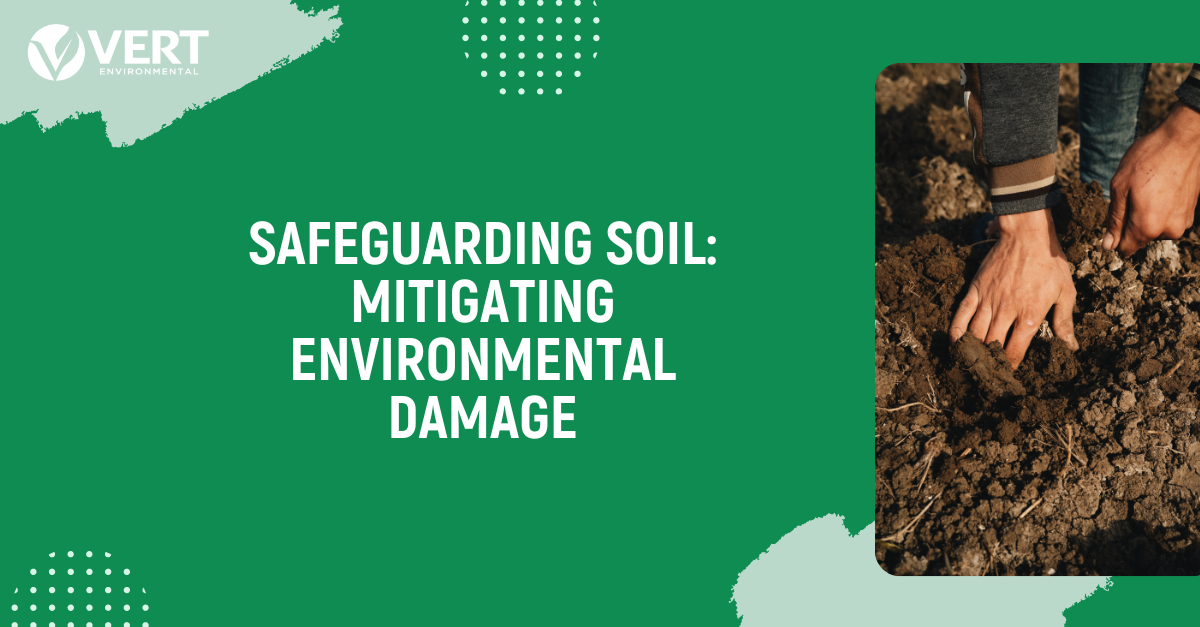
Soil—it’s the unsung hero beneath our feet, quietly supporting life and ecosystems. Yet, this invaluable resource often faces threats from various sources, leading to contamination and erosion. In this post, we delve into the crucial task of safeguarding soil health and mitigating environmental damage.
Understanding Soil Contamination
Soil contamination arises from a myriad of sources, including industrial activities, agricultural practices, and chemical spills. These contaminants pose significant risks to both environmental integrity and human health. Understanding the sources and impacts of soil contamination is the first step toward effective mitigation strategies.
Strategies for Soil Rehabilitation
To combat soil contamination, thorough soil testing is essential. By identifying contaminants, remediation efforts can be tailored to specific needs. Remediation techniques such as phytoremediation, bioremediation, and soil washing offer promising solutions for restoring soil health.
Preventing Soil Erosion
Soil erosion, exacerbated by factors like deforestation and improper land use, threatens soil stability and fertility. Implementing erosion prevention measures such as contour plowing, terracing, and cover cropping is vital for preserving soil integrity and preventing sediment runoff.
Post-Wildfire Soil Management
Wildfires wreak havoc on ecosystems, leaving behind scorched earth vulnerable to erosion and contamination. Effective post-wildfire soil management strategies, including erosion control measures and reforestation efforts, are crucial for restoring the ecological balance and protecting soil health.
Soil Conservation Practices
Adopting sustainable soil management practices is key to long-term soil health. No-till farming, crop rotation, and organic farming promote soil fertility, biodiversity, and resilience. Protecting soil biodiversity is equally essential, as it plays a vital role in maintaining ecosystem functions.
Government Regulations and Policies
Government regulations and policies play a pivotal role in safeguarding soil health. Compliance with environmental regulations ensures responsible land management practices and helps mitigate the impact of human activities on soil quality. Stay informed about local regulations and advocate for soil conservation efforts.
In conclusion, safeguarding soil health is imperative for environmental sustainability and human well-being. By understanding the sources of soil contamination, implementing effective remediation techniques, and adopting soil conservation practices, we can protect this invaluable resource for future generations. Take proactive steps to safeguard soil health, and remember, Vert Environmental is here to support you on your journey toward healthier soils.
Ready to assess and safeguard your soil health? Visit Vert Environmental’s website at www.vertenviro.com to learn more about our soil testing services and start your journey toward a healthier environment today.

Related Articles

New GSA Drinking Water Testing Rules: What You Need To Know

New Radon Testing Rules: What’s Changed?